

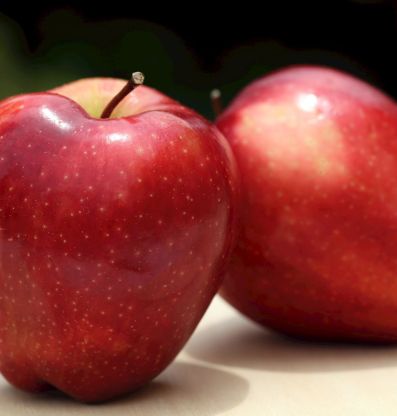
Dazzle Apples imported from New Zealand
129.000 VND
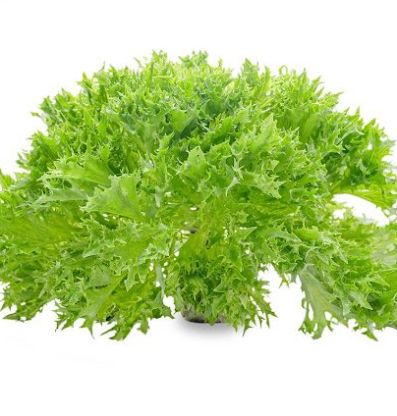
Cabbage
In the book Herbs around the house, nutrition and medicine by physician Bui Dac Sang, Academy of Science and Technology, cabbage is very rich in vitamin C. The amount of vitamin C in cabbage is only less than tomatoes but 4.5 times more than carrots and 3.6 times more than potatoes and onions.
Vitamin C is also known as ascorbic acid - a micronutrient that best enhances immunity and also participates in many normal functions of the body. Vitamin C supports resistance, fights infections such as flu, and heals wounds quickly. Vitamin C is also known as an antioxidant, helping to protect cells from damage from free radicals. Cell damage from free radicals causes cardiovascular disease, cancer and other chronic diseases.
In Europe, since ancient times, people have known how to use cabbage as medicine and called it "the doctor of the poor". In Oriental medicine, cabbage is sweet, bland, cold, diuretic, laxative, detoxifying, treats stomach pain, cough, sore throat, hoarseness, neuralgia, acne... This vegetable can be processed into many dishes such as boiled, cooked, stir-fried, eaten with stews, soups, salads...
The remedy for stomach pain, intestinal diseases, sore throat, cough, is as follows: fresh cabbage with sugar and salt, squeeze to get the juice and drink within two months. Normally, one kilogram of cabbage gives 500-700 ml of juice. Cabbage contains anti-ulcer vitamin U which is easily decomposed at high temperatures, so it must be squeezed to get the juice
Pumpkin
Physician Sang said that pumpkin is both a nutritious food and a valuable medicinal plant. The three main nutrients in pumpkin are fiber, vitamin A and vitamin C. Vitamin C boosts immunity, fights free radicals in the body, prevents signs of aging such as wrinkles, brown spots, protects the skin against the harmful effects of sunlight and prevents dehydration and dry skin.
In addition, pumpkin contains some minerals and calcium, sodium, potassium. For the elderly and people with high blood pressure, these substances help prevent osteoporosis and high blood pressure. In addition, pumpkin also contains magnesium, phosphorus, iron, copper, manganese, chromium and many other elements that help bones develop. Some other uses include strengthening the immune system, good for fetal development, treating asthma, preventing diabetes, preventing cancer due to containing many antioxidants and beta-carotene.
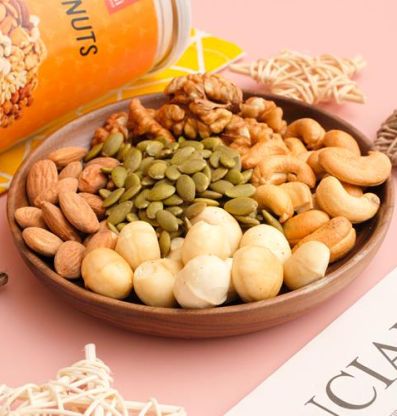
Pumpkin seeds are rich in physterol and omega 3, omega 6 fatty acids, which help reduce bad cholesterol, prevent cardiovascular disease and blood pressure. Glutamine acid is essential for brain activity, plays an important role in supporting metabolic reactions in nerve cells and the brain, and nourishes the brain.
Women with low milk supply after giving birth, take 20g of fresh pumpkin seeds, peel off the shell, take the kernel, crush, add white sugar and mix with hot water and drink in the morning and evening on an empty stomach, continuously for 3-5 days. Women with inverted nipples, sharp pain, take the vine of the pumpkin and a little salt, crush all, steep in boiling water, squeeze the juice to drink.
Pumpkin stewed with peanuts and lotus seeds to treat diabetes, 200g pumpkin, 100g green beans, 100g pork bones, stewed and eaten with enough spices, cures insomnia.
Pumpkin stewed with peanuts or stewed chicken or duck bones, prevents headaches and dizziness.
Pumpkin 200g, green beans 100g, pork bones 100g, stewed and eaten to treat diabetes.
50-100 g green squash stewed with 50 g duck meat and enough spices to eat for many days to prevent diabetes.
Watercress
Watercress is originally from Europe, imported to the South from the end of the 19th century, then gradually spread to the North and other localities. This plant is grown in places with flowing water, ditches, along the banks of streams, ponds, wells... 100g of watercress contains 40 mg of vitamin C, in addition to other nutrients such as vitamins A, B and minerals...
In Oriental medicine, the plant has a slightly spicy taste, cool properties, stimulates digestion (thanks to sulfonito oil), provides minerals, prevents anemia, is diuretic, reduces blood sugar, detoxifies, treats diabetes, treats coughs, physical weakness, poor appetite, insomnia, boils, urinary tract diseases...
Watercress can be made into a medicinal dish. For example, to treat scurvy (a vitamin C deficiency), pound 100g of watercress and squeeze out the juice to drink. Chew and hold watercress in your mouth to treat gingivitis. This vegetable is pounded and applied to treat ulcers and ringworm, or pounded to get the juice to drink to treat diabetes.