


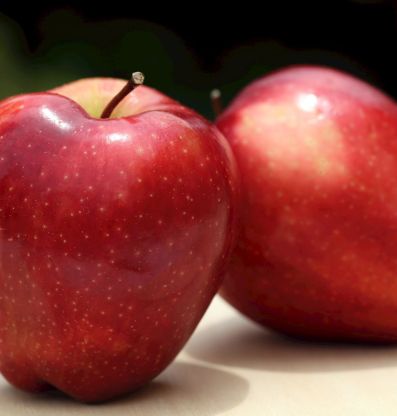
Dazzle Apples imported from New Zealand
129.000 VND
Runners need a variety of nutrients, including 13 vitamins, 7 minerals, 9 trace minerals, and amino acids. Getting enough of these nutrients is not easy. Deficiencies in some nutrients may not be a problem for the average person, but for those who exercise intensely, it can be a big problem.
Iron
Runners consume more iron than the average person. A runner who exercises for about 4 hours a week will not have to worry about iron deficiency. But if they spend 6 hours a week on the track, they are at higher risk of iron deficiency, especially women because they have to go through monthly menstruation. Iron deficiency can affect energy levels, thyroid function, reproductive function, and bone health in women.

Một số loại thực phẩm nhiều sắt.
The recommended iron intake for adults over 18 is 8-18mg per day depending on age and gender (more for pregnant women). Athletes can easily supplement this amount of iron through their diet. However, for those who are vegetarians, it may be a bit more difficult because the absorption level of iron in each food is different.
VnExpress is organizing a free virtual race "Overcome yourself" for everyone to participate. Register here to set a daily exercise goal.
However, men and women of menopausal age should not use iron supplements without a doctor's guidance. The reason is that their bodies do not have a mechanism to remove excess iron, causing iron overload that can lead to life-threatening liver failure.
Magnesium
Magnesium is an essential nutrient for more than 300 biochemical processes in the body. It is especially important for athletes for two reasons: first, it aids in the relaxation of muscles and blood vessels. Second, when the body is deficient in magnesium or potassium, it is more susceptible to cramps.

Magie có nhiều trong hoa quả, rau và các loại hạt.
The recommended daily intake of magnesium for each function of the body is between 125mg and 2,500mg. The average recommended daily intake for adults over 18 years of age is 310-420mg, depending on age and gender. For athletes, the amount of magnesium needed can be double (800mg per day) the average recommended intake.
Zinc
Athletes have lower levels of zinc in their blood than the general population, both men and women. In a controlled study, 12 volleyball players and 12 non-volleyball players performed exercise on a stationary bike in October and December. In October, both groups showed similar levels of zinc loss in sweat and urine. In December, after the volleyball players had spent two months training and competing, the results showed that the rate of zinc loss through sweat and urine increased more than the other group.
Doctors believe that the immune system is affected by zinc loss, which may be one of the reasons why they are susceptible to illness shortly after competing. Therefore, each person should take 30-60mg of zinc per day.
Potassium
This is considered one of the most important nutrients for any athlete. However, it should not be too low and should not be taken in too much. Most of the potassium taken in will be excreted through urine and sweat. A study showed that athletes who ran for 40 minutes at a temperature of 21 degrees Celsius lost 435mg of potassium per hour. Athletes will lose about 200mg of potassium through the skin for every kilogram of body weight in an hour of training.

Vận động viên có thể bổ sung chất này qua các loại thực phẩm như cam, dưa lưới, dưa lê, dưa hấu và các loại rau lá xanh.
According to Alan Christianson, author of The Thyroid Reset Diet, you should take about 200 mg of potassium per kilogram of body weight after exercise. You can take 150 mg every hour of exercise.
However, taking potassium too quickly can cause cardiac arrest in some cases. Potassium does not enhance exercise performance but it can aid recovery. You can supplement potassium by drinking potassium-infused water and other supplements.
Sodium
There is a lot of controversy about sodium, but it is also one of the essential nutrients for athletes. A study comparing Triathlon athletes (lasting about 2-4 hours) and Ironman athletes (lasting 9-17 hours). The results showed that none of the Triathlon athletes had low sodium levels - a condition known as hyponatremia - but 27% of Ironman athletes required medical intervention for sodium deficiency.
This is why snack bars with added salt are set up along the 42km marathon route. The average person will have no problem exercising for only 1-2 hours a day. However, when participating in a race lasting 5 hours or more in the heat, you should pay more attention. You should supplement 80-100mg of sodium in every 250ml of water and supplement 100-300mg of sodium per hour from other sources.
Calcium
Currently, there is not much data on athletes needing more than 1,000mg per day. And the problem is that many people cannot take in this amount. The reason the body needs calcium is because this is a nutrient that helps strengthen bones and prevent osteoporosis. No runner wants weak and porous bones.
Calcium can also be lost through sweating, so athletes need to supplement through food or supplements. Calcium is especially important for female athletes, who are prone to bone problems. They are also more likely to be deficient in calcium.

Bổ sung canxi quan trọng với người chơi thể thao. Ảnh: Shutterstock
Women under 25 need to pay attention to their calcium intake because this is the stage of building a calcium foundation. The average recommended daily calcium intake is 1,300 mg for both men and women aged 9-18. This is reduced to 1,000 mg for those aged 19-70. However, research shows that about 90% of athletes may not get enough calcium (40% of them do not get enough vitamin D). This increases the risk of stress fractures, not to mention osteoporosis.
Selenium
Selenium is a nutrient that can bring many benefits to athletes but is often overlooked. Selenium is necessary because athletes are prone to oxidative stress and even cell damage due to exercise. One of the substances that can fight oxidation is glutathione, an antioxidant that the body can produce. And selenium is needed to make glutathione.
One study in France found that 23% of male athletes and 66% of female athletes had selenium intakes below the average recommended level. Another study looked at healthy, non-smoking people who exercised until fatigue. Half of the group took 240mcg of selenium, the other half took a placebo. The results showed that those who took selenium had fewer enzyme metabolisms, meaning their cells were less damaged. The average recommended level is 55mcg for people aged 14 and older. However, 100-200mcg per day from supplements is also acceptable.